Imagine giving your home a facelift that not only looks sleek but also boosts energy efficiency, turning your dated exterior into a modern showpiece. That’s the promise of EIFS (Exterior Insulation and Finish System) stucco, a popular choice for homeowners seeking style and performance. When I helped a neighbor redo their home’s exterior,
We debated EIFS versus traditional stucco, and the choice came down to insulation needs and climate. EIFS offers unique benefits, but it’s not a one-size-fits-all solution.
What is the EIFS stucco system and how differs from traditional stucco is your guide to understanding these two options, their pros, cons, and best uses. Drawing from real-world insights and industry know-how, this breakdown will help you decide which suits your home’s remodel. Let’s dive into the details.
What Is EIFS Stucco?
EIFS, often called “synthetic stucco,” is a multi-layered exterior cladding system designed to provide insulation, weather resistance, nd a decorative finish. Developed in Europe post-World War II and popularized in the U.S. in the 1980s, it’s widely used on commercial buildings and modern homes. Think of it like a layered cake: Each component serves a purpose, from insulation to aesthetics.
Layers of EIFS
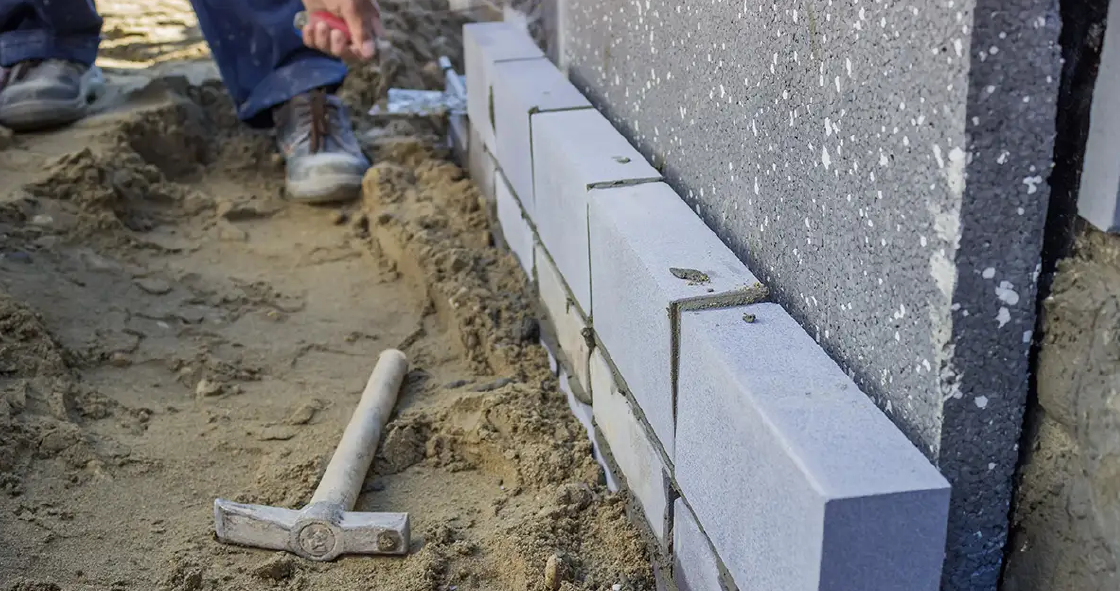
- Insulation Board: Rigid foam (usually expanded polystyrene, EPS)glued or mechanically fastened to the wall, providing thermal insulation (R-value of 3.5-4 per inch).
- Base Coat: A cement or polymer-based layer spread over the foam, embedding a fiberglass mesh for strength.
- Reinforcing Mesh: Fiberglass netting that prevents cracking and adds durability.
- Finish Coat: A textured, colored layer (acrylic or polymer-based)that mimics stucco’s look—smooth, sand, or pebble textures.
EIFS is lightweight, flexible in design, and excels at insulating, potentially cutting energy bills by 10-20% per 2025 building studies. My neighbor chose EIFS for their chilly New England winters, and their heating costs dropped noticeably.
What Is Traditional Stucco?
Traditional stucco is a time-tested, cement-based exterior finish known for its durability and classic look, used for centuries on Mediterranean and Southwestern homes. It’s applied in three coats over a lath (metal or wire mesh) or directly on masonry, creating a hard, weather-resistant shell.
Layers of Traditional Stucco
- Scratch Coat: A 3/8-inch cement-sand mix, scored for grip, applied over lath or masonry.
- Brown Coat: Another 3/8-inch layer, smoothed to level the surface.
- Finish Coat: A 1/8-inch layer, textured (dash, sand, or lace) and sometimes colored.
Traditional stucco is tough, fire-resistant, and low-maintenance but lacks insulation unless paired with separate insulating materials. I used it on my own home for its rugged charm and affordability.
Got a specific stucco or EIFS project in mind? Contact Stucco Pro today for a free consultation!
STUCCO PRO
Boston, MA