February 9, 2026
Causes of stucco delamination & fixes 2026
Learn the causes of stucco delamination—moisture, poor workmanship, andmore—plus fixes and prevention tips. Save on costly repairs with this expertguide.
You’re admiring your home’s stucco exterior, loving its timeless texture, when you notice something unsettling: patches peeling away, exposing the layers beneath. It’s not just an eyesore—it’s a sign of stucco delamination, a problem that can escalate from cosmetic to catastrophic. I’ve seen it firsthand helping a neighbor patch their 1980s ranch home after a rainy season turned their walls into a bubbling mess. What started as a $500 fix ballooned to $5,000 when ignored. If you’re a homeowner, contractor, or property manager, understanding the causes of stucco delamination is your first step tosaving your walls—and your wallet.
In this guide, we’ll uncover why stucco delaminates, spotlighting the root causes with real-world examples and practical solutions. From moisture traps to shoddy workmanship, you’ll learn how to spot, fix, and prevent this issue. Let’s dive in and keep your stucco solid.
What Is Stucco Delamination?
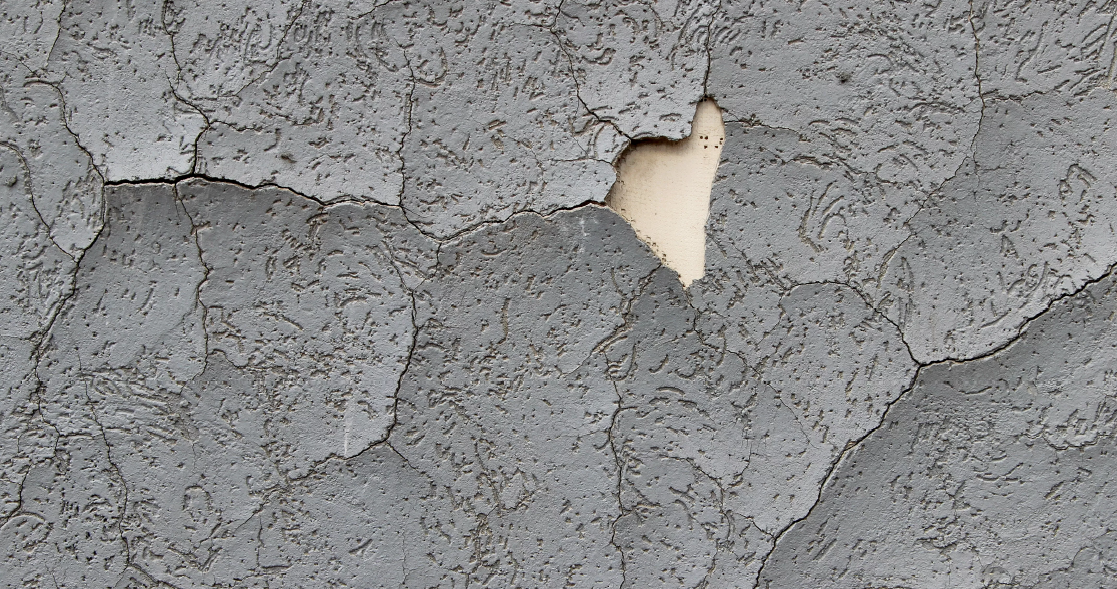
Stucco delamination occurs when one or more layers of stucco (typically a cement-based mix of sand, lime, and Portland cement) separate from each other or the substrate (like wood, brick, or metal). Stucco is applied in three layers—scratch, brown, and finishcoats—and delamination happens when these layers lose adhesion,leading to peeling, bubbling, or flaking.
Why it’s serious
Delamination compromises waterproofing, invites mold, and weakens structural integrity. Costs to repair range from$ 500 for small patches to $20,000+ for full recladding. Knowing the causes helps you act fast.
Cause #1: Moisture Infiltration
Water is stucco’s worst enemy, seeping into layers and breakingbonds.
Why It Happens
Poor sealing: Cracks or gaps at windows, doors, or rooflines let water in.
No drainage: Older systems lack weep screeds or drainage planes,trapping moisture.
High humidity: Wet climates (e.g., coastal areas) saturate porousstucco.
Signs
Bubbling or soft spots in the finish coat.
Stains or mold on interior walls.
Musty odors indoors.
Real World Example: A Florida homeowner ignored minor bubbling after hurricanes. Water trapped behind the stucco caused delamination across an entire wall, costing $8,000 to repair.
Fixes
Short-term: Cut out affected areas (6-12 inches beyond damage),dry substrate, apply bonding agent, and patch with new stucco. Cost:$500-$2,000.
Long-term: Install weep screeds or drainage channels; reseal allpenetrations with elastomeric caulk. Cost: $1,000-$5,000.
Prevention: Annual inspections ($200-$500); use breathable, water-resistant sealants every 5-7 years.
Pro tip: Slope sills away from walls to divert water—1/4 inch per foot isideal.
Cause #2: Poor Application or Workmanship
Shoddy installation is a recipe for delamination, as layers fail to bondproperly.
Why It Happens
Inadequate surface prep: Dirty or smooth substrates (e.g., unpaintedconcrete) prevent adhesion.
Wrong mix ratios: Too much water or incorrect cement-sand-limebalance weakens coats.
Thin layers: Scratch or brown coats under 3/8 inch lack strength.
No bonding agent: Skipping adhesive between layers or substrate causes slippage.
Signs
Large areas peeling in sheets.
Hollow sounds when tapping walls.
Visible separation at seams.
Story time: A DIYer I know skipped the bonding agent on a garage patch. Within a year, the new stucco lifted clean off, wasting $1,200 in materials and labor.
Fixes
Short-term: Remove loose stucco, clean substrate with wire brush, apply acrylic bonding agent, and reapply layers (3/8 inch each). Cost: $1,000-$3,000.
Long-term: Reclad affected walls with proper lath and bonding agent;hire certified applicators. Cost: $5,000-$15,000.
Prevention: Follow ASTM C926 standards for stucco application; ensure 2:1 sand-cement ratio and curing time (48-72 hours per coat).
Hack: Hire EIFS/stucco-certified pros—check credentials via theStucco Manufacturers Association.
Cause #3: Structural Movement or Settling
Homes shift over time, stressing stucco until it cracks anddelaminates.
Why It Happens
Foundation shifts: Soil expansion (e.g., clay in Texas) or settling crackssubstrates.
Thermal expansion: Extreme temperature swings cause materials to expand/contract differently.
No control joints: Rigid stucco lacks relief points for movement.
Signs
Diagonal or hairline cracks spreading from corners.
Delamination near foundation or rooflines.
Bulging walls in older homes.
Example: A California home on shifting soil saw widespread delamination after minor quakes. Control joints could’ve saved $10,000 in repairs.
Fixes
Short-term: Fill cracks with elastomeric caulk; patch delaminated areas with mesh-reinforced stucco. Cost: $500-$2,000.
Long-term: Install control joints every 144 sq ft; reinforce substrate with metal lath. Cost: $3,000-$8,000.
Prevention: Use flexible base coats; add expansion joints at stresspoints (corners, openings).
Tip: Check foundation annually—cracks wider than 1/4 inch needstructural assessment ($300-$600).
Cause #4: Improper Substrate or Materials
The wrong backing or stucco mix can doom adhesion from the start.
Why It Happens
Incompatible substrates: Gypsum sheathing in wet climates absorbswater, weakening bonds.
Low-quality materials: Cheap cement or sand lacks binding strength.
No lath: Skipping metal lath on wood or masonry reduces grip.
Signs
Large-scale peeling across walls.
Soft or crumbling substrate when exposed.
Uneven texture under finish coat.
Relatable case: A 1990s home used untreated wood sheathing understucco. Moisture rotted it, causing $15,000 in recladding costs.
Fixes
Short-term: Remove loose stucco, replace substrate with moisture-resistant OSB or cement board, and reapply. Cost: $2,000-$6,000.
Long-term: Retrofit with proper lath (galvanized, 2.5 lb/sq yd) and drainage plane. Cost: $10,000-$20,000.
Prevention: Use ASTM-compliant materials; avoid gypsum in humidzones.
Pro move: Test substrate with a moisture meter ($50)—readingsabove 20% signal trouble.
Cause #5: Freeze-Thaw Damage
In cold climates, water in stucco freezes, expands, and breaks bonds.
Why It Happens
Trapped water: Poor drainage lets water linger in layers.
No insulation: Uninsulated walls amplify freeze-thaw cycles.
Cracks as entry points: Small fissures let water in, worsening with ice.
Signs
Cracks or flaking after winter.
Delamination in north-facing walls.
Spalling (chipping) of finish coat.
Story: A Minnesota homeowner’s north wall delaminated after abrutal winter. A drainage retrofit could’ve saved $4,000.
Fixes
Short-term: Patch with freeze-resistant stucco mix; seal cracks. Cost:$500-$2,000.
Long-term: Add insulation (EPS boards, R-4+) and weep screeds.Cost: $3,000-$10,000.
Prevention: Use acrylic-based finishes; ensure proper slope at sills.
Hack: Apply anti-freeze additives to stucco mix in cold regions.
Pro tip: Document repairs for insurance—storm-related claims often cover delamination fixes.
Emerging Solutions in 2026
Modern stucco systems use acrylic-modified mixes for flexibility and drainable lath to reduce moisture traps. Smart sensors($500/system) now alert homeowners to hidden water via apps,cutting failures by 60%.
Why Addressing Delamination Saves Your Home
Understanding the causes of stucco delamination empowers you toact before minor peeling becomes major damage. From moisture tomovement, these issues are fixable with the right approach. Protectyour home’s beauty, value, and safety by staying proactive.
Spot bubbling or cracks? Questions on fixes or materials? Drop them below—I’ve patched enough stucco to help you through!