January 12, 2026
Signs Stucco Needs Repair: Early Warnings
Spot signs stucco needs repair like cracks, stains, and bubbling. Learn causes, assessments, and fixes to maintain your home's exterior affordably.
Imagine this: You're out in the yard, enjoying a quiet afternoon, when you glance up at your home's exterior and spot a thin, jagged linesnaking across the wall. At first, you brush it off—maybe it's just settling. But a few months later, that line has widened, and nowthere's a faint stain below it. Suddenly, your once-pristine stuccofacade looks tired, and you're wondering if it's time to call in the pros.
In this guide, we'll break down the most common indicators that your stucco is crying for attention, why they happen, and what to do next. Whether you're a homeowner tackling a quick fix or prepping for a full remodel, understanding these signs empowers you to act before minor issues turn major. From cracks to discoloration, we'll cover it all with real-world insights to help you keep your home looking sharp and standing strong. Let's get into it.
Common Signs Your Stucco Needs Repair
Stucco damage often starts subtle, but these telltale signs signal it'stime to inspect closer. Look for them during routine walks around yourproperty, especially after heavy rain or winter. Here's a rundown of thekey indicators, with what they mean and why they matter.
Cracks and Fissures
One of the most obvious signs stucco needs repair is cracking. Thesecan range from hairline fissures (less than 1/8 inch wide) to widergaps.
Discoloration or Staining
Faded colors or dark spots aren't just ugly—they're clues to underlyingissues.
Bubbling or Blistering
If your stucco looks like it's got bubbles under the skin, it's a seriouswarning.
Moisture-Related Issues
Water is stucco's nemesis, and these signs scream infiltration.
Peeling, Flaking, or Chalking
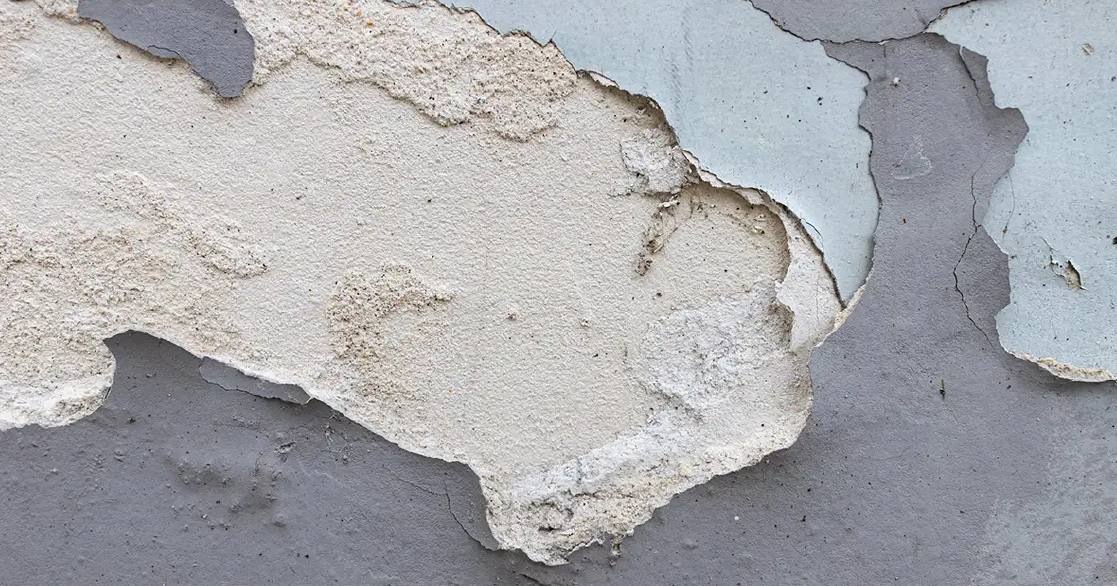
When the surface starts coming off in sheets or powder, it's past due for attention.
Other Red Flags: Bulging or Bowing
Less common but critical: If sections of the wall bulge outward or bow, it could mean internal pressure from water or structural failure. This is rare but dangerous—stop everything and call a pro if you see it. To spot these signs systematically, walk your home's perimeter quarterly, noting changes. Use a flashlight for shaded areas and a moisture meter for deeper checks.
What Causes These Signs of StuccoDamage?
Understanding the "why" helps prevent future issues. Common culprits include:
Weather extremes: Freeze-thaw cycles expand and contract stucco, causing cracks. Heavy rain without proper drainage leads to moisture problems.
Poor installation: Skimping on lath, base coats, or sealing invites water in.
Aging and neglect: Without resealing every 5-10 years, UV and pollutants break down the surface.
Landscaping issues: Sprinkler spray or overgrown plants direct water at walls.
Foundation shifts: Soil movement from erosion or earthquakes stresses the stucco.
In my case, a clogged gutter was the villain—diverting water fixed multiple signs at once.
When to Call a Professional for StuccoRepairs
While small fixes are DIY territory, pros shine for:
Extensive damage: Bubbling, bulging, or widespread cracks need expert assessment to rule out structural issues.
Water intrusion: Mold or rot behind stucco requires removal and drying—health hazard if mishandled.
Warranty work: If your home's under 10 years old, check for builder warranties.
Height or access: Working on second stories? Scaffolding and safety gear make it pro-only.
Prevention: Keeping Stucco Healthy Long-Term
Spotting signs is reactive; prevention is proactive.
Seal regularly: Apply a breathable masonry sealer every 3-5 years to repel water while allowing vapor escape.
Maintain drainage: Keep gutters clean, extend downspouts 5 feetfrom walls, and grade soil away (1-inch slope per foot).
Trim landscaping: Keep plants 12-18 inches from walls to reduce moisture.
Annual inspections: Walk the perimeter post-winter and after storms; patch small cracks immediately with caulk or stucco mix.
Choose quality: If reapplying, opt for high-grade materials and proper installation.
Wrapping Up: Act on the Signs Before It's Too Late
Recognizing signs stucco needs repair—from cracks to bubbling—can save your home's exterior and your wallet. Start with a simple walk-around inspection this weekend; early action keeps things affordable and your home looking great. Whether it's a quick patch or a pro call, addressing issues now prevents escalation.